Introduction to Fitness and Its Importance
In the contemporary world, the significance of fitness cannot be overstated. Fitness refers not just to physical health but encompasses mental well-being and overall quality of life. Today’s fast-paced lifestyle often leads to sedentary habits, making it essential to prioritize fitness as a cornerstone of daily life. Embracing a regular fitness regimen can result in profound enhancements across various aspects of health.
One of the most pivotal benefits of being physically active is the improvement in overall health. Regular exercise strengthens the cardiovascular system, enhances muscle strength, and promotes flexibility. Engaging in fitness activities can also aid in maintaining a healthy weight, reducing the risk of chronic diseases such as diabetes and hypertension. Furthermore, physical activity is linked to a stronger immune system, allowing individuals to combat infections more effectively.
Beyond the physical benefits, fitness plays a crucial role in increasing energy levels. Individuals who engage in regular activity often find that they experience reduced fatigue. This invigorating impact can enhance productivity in both personal and professional spheres, leading to a more fulfilling life.
Mental well-being is another critical aspect of fitness. Regular exercise has been shown to release endorphins, which are neurotransmitters that foster feelings of happiness and euphoria. This natural uplift in mood can alleviate symptoms of depression and anxiety, contributing positively to overall mental health.
Finally, adopting a fit lifestyle is a proactive approach to disease prevention. By incorporating exercise into daily routines, individuals are not just averting health issues but are also investing in a longer, healthier life. As the demand for fitness in our lives escalates, it is vital for beginners to understand its importance, paving the way for a sustainable and enjoyable fitness journey.
Setting Realistic Fitness Goals
When embarking on a fitness journey, setting realistic fitness goals is essential for success. One effective approach to goal-setting is the SMART criteria, which stands for Specific, Measurable, Achievable, Relevant, and Time-bound. This framework provides a structured way to define personal fitness ambitions in a manner that can foster long-term commitment and positive outcomes.
Specific: Goals should be clear and well-defined. Instead of stating a vague aim like “I want to get fit,” one could say, “I aim to lose 10 pounds in three months by exercising four times a week and following a balanced diet.” This specificity helps to create a concrete target.
Measurable: It is important to track progress, as measurable goals allow one to evaluate their advancement. For example, using a journal or fitness tracker to monitor weekly workouts, dietary intake, or even body measurements can provide meaningful insights into one’s progress, encouraging continued efforts toward achieving the desired goals.
Achievable: Goals must be realistic and attainable. Setting overly ambitious targets can lead to frustration and potential burnout. Begin with small, manageable objectives, such as committing to a 30-minute walk three times a week. Gradually increasing effort will help build confidence and instill a sense of accomplishment.
Relevant: Personal relevance is crucial; goals should align with one’s overall lifestyle and aspirations. Tailoring fitness objectives to individual circumstances ensures higher motivation levels. For instance, someone looking to improve their stamina for an upcoming hiking trip may set focused training goals relative to that activity.
Time-bound: Lastly, adding a time frame to goals creates a sense of urgency. Seeing a timeline encourages commitment and prioritization, ensuring regular review and adjustments as necessary. Setting deadlines helps in maintaining focus and determination.
By applying the SMART criteria, individuals can create a well-defined path that not only facilitates their fitness journey but also enhances overall motivation. Prioritizing fitness becomes much more manageable when goals are personalized, achievable, and structured effectively.
Understanding Different Workout Types
Engaging in a variety of workouts is essential for developing a balanced and effective fitness routine. Beginners should focus on understanding the main types of workouts, which include cardiovascular exercises, strength training, flexibility workouts, and high-intensity interval training (HIIT). Each of these workout types offers unique benefits that cater to different fitness goals.
Cardiovascular exercises, often referred to as cardio, are activities designed to get the heart rate up and improve overall cardiovascular health. Activities such as walking, jogging, cycling, and swimming fall under this category. Cardio workouts not only enhance stamina but also aid in weight management by burning calories. Beginners should aim to incorporate at least 150 minutes of moderate-intensity cardio into their weekly schedules.
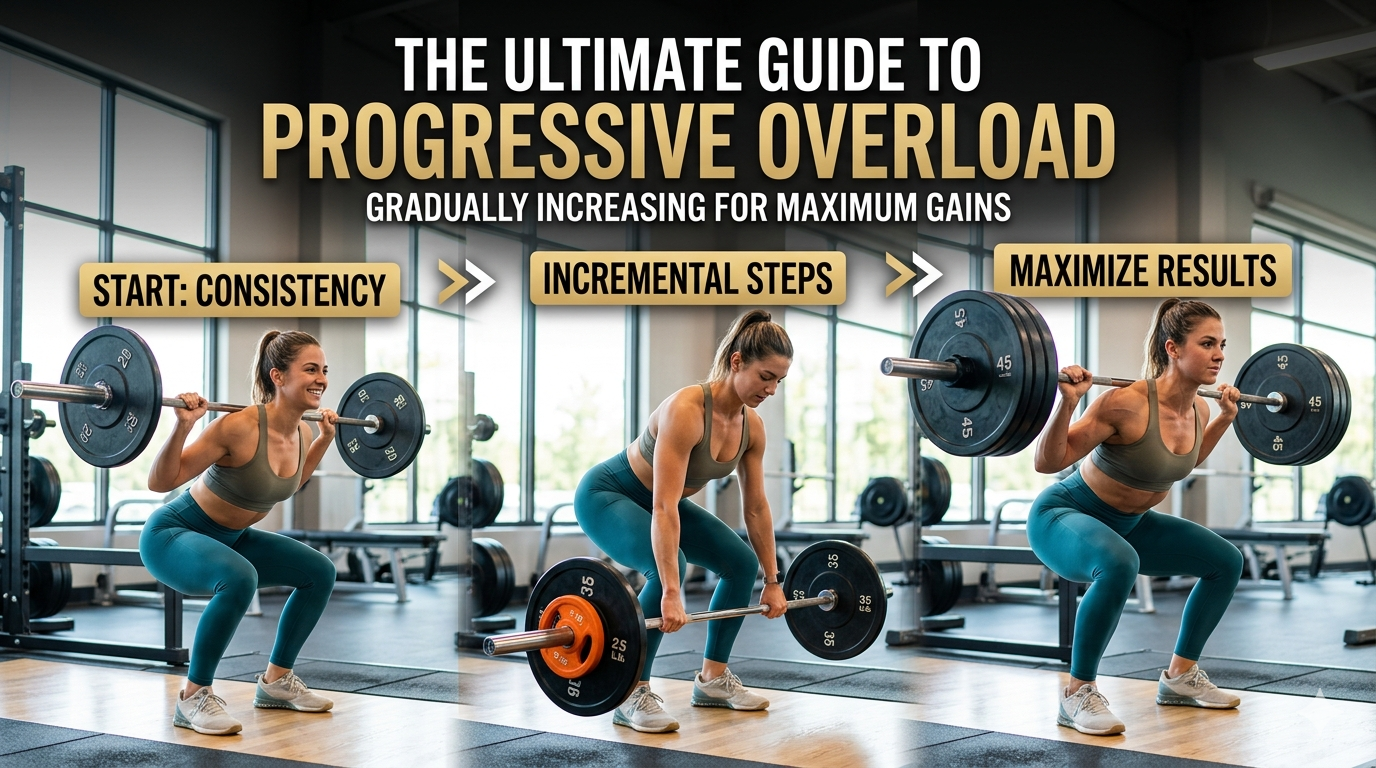
Strength training focuses on building muscle mass and increasing strength through resistance exercises. This includes using free weights, resistance bands, or body-weight exercises like push-ups and squats. For beginners, body-weight exercises are an excellent starting point as they require no equipment and can be performed anywhere. Strength training should be done at least two days a week, targeting all major muscle groups for balanced development.
Flexibility workouts emphasize stretching and range of motion improvements, which are vital for overall physical performance and injury prevention. Incorporating yoga or dedicated stretching routines can greatly enhance flexibility. These workouts can be performed daily and often complement other types of exercises by helping the body recover and maintain muscle health.
High-Intensity Interval Training (HIIT) is a popular choice for those looking to maximize workout efficiency. This training method alternates short bursts of intense exercise with periods of rest or lower-intensity activity. HIIT can significantly improve cardiovascular fitness and promote fat loss in a shorter timeframe compared to traditional workouts. Beginners should start with sessions that last 15–20 minutes, gradually increasing intensity and duration as they progress.
Incorporating a mix of these workout types into a weekly fitness routine can significantly enhance overall fitness levels. A balanced approach not only addresses cardiovascular health, strength, flexibility, and endurance but also helps maintain motivation and interest in the fitness journey.
Creating a Complete Beginner Workout Plan
A well-structured beginner workout plan is essential for those embarking on their fitness journey. The program should focus on various muscle groups, ensuring that the body develops strength and endurance evenly. A typical weekly workout schedule may be designed to include three to four days of strength training and two to three days of cardiovascular exercise. This balance promotes overall fitness while allowing proper recovery.
For strength training, beginners should incorporate exercises that target major muscle groups. A sample plan can include the following exercises:
- Squats for the legs
- Push-ups for the chest and arms
- Rows for the back
- Planks for core strength
Begin with one set of 8-12 repetitions for each exercise, gradually increasing the number of sets or the weight as you build strength. It is advisable to start with bodyweight exercises before progressing to equipment like dumbbells or resistance bands.
In terms of cardiovascular workouts, beginners can opt for low-impact activities such as walking, cycling, or swimming. Aim for a minimum of 150 minutes of moderate aerobic activity weekly, which can be broken down into sessions of 30 minutes, five times a week. This approach not only helps in weight management but also improves cardiovascular health.
Ensuring sufficient rest days is crucial to prevent overtraining, which can lead to fatigue or injury. Incorporate rest days into the schedule, ensuring at least one full day of recovery each week. Listening to your body is vital; if you feel fatigued, do not hesitate to modify your workout frequency or intensity.
In summary, a balanced beginner workout plan should include a mix of strength training and aerobic exercises scheduled throughout the week. This structure not only fosters physical growth but also enhances overall fitness, making it easier to achieve long-term health objectives.
Importance of Nutrition in Fitness
Nutrition plays a pivotal role in achieving one’s fitness goals, significantly affecting energy levels, muscle recovery, and overall performance. A well-balanced diet provides the essential nutrients that fuel the body, enabling individuals to perform at their best during workouts and daily activities. Understanding the relationship between diet and physical fitness is crucial for anyone looking to enhance their athletic performance or simply improve their overall health.
The foundation of effective nutrition encompasses macronutrients — carbohydrates, proteins, and fats — which must be consumed in appropriate proportions to support physical activity. Carbohydrates serve as the primary source of energy, especially during high-intensity exercise. Adequate carbohydrate intake is vital for maintaining glycogen stores in the muscles and liver, thereby supporting endurance and performance. Proteins are equally important, as they provide the building blocks for muscle repair and recovery. Incorporating sufficient protein into one’s diet can facilitate muscle development and help reduce the risk of injuries. Meanwhile, healthy fats contribute to overall energy levels and hormone production, playing a significant role in long-term health.
Beyond macronutrients, micronutrients — vitamins and minerals — are essential for proper bodily functions. These nutrients aid in various metabolic processes and are crucial for maintaining immune function, bone health, and muscle function. For instance, vitamin D and calcium are vital for bone health, while B vitamins are essential for energy metabolism. Thus, a diverse diet rich in fruits, vegetables, whole grains, and lean proteins can help ensure adequate nutrient intake.
Moreover, the timing of meals can greatly affect performance and recovery. Consuming appropriate nutrients before and after workouts can optimize energy levels and enhance muscle recovery. A balanced pre-workout meal, ideally consumed one to three hours before exercise, should include carbohydrates and protein to fuel activity. Post-workout nutrition, focusing on replenishing lost glycogen and repairing muscle fibers, should occur within 30 to 60 minutes after exercising.
Building a Balanced Diet Plan
Creating a balanced diet plan is an essential component of any effective fitness regimen. A well-structured diet not only supports your workout routine but also contributes to overall health and well-being. When devising a diet plan, it is crucial to focus on portion sizes and food choices across different food groups, ensuring that your meals are nutritionally complete.
To begin, it is recommended to include a variety of fruits and vegetables in your daily meals. These food groups are packed with essential vitamins, minerals, and fiber. Aim for at least five servings of fruits and vegetables per day, which will aid in digestion and help maintain a healthy weight. Additionally, incorporating whole grains such as brown rice, quinoa, and whole-wheat bread can provide sustained energy for your workouts.
Protein is another vital component of a balanced diet. Including lean sources of protein, such as chicken, turkey, fish, legumes, and dairy products, can help repair and build muscles post-exercise. Depending on your activity level and fitness goals, adjusting your protein intake can optimize your results. For individuals engaging in strength training, a higher protein intake may be beneficial.
Meal prepping is an effective strategy to simplify the process of following a balanced diet. By planning and preparing meals in advance, you can control portion sizes and make healthy choices more conveniently. Set aside time each week to prepare meals and snacks, ensuring that you have nutritious options readily available during your busy days.
Hydration is often overlooked but plays a critical role in fitness. Staying well-hydrated facilitates optimal performance during exercise and aids in recovery. It is recommended to drink plenty of water throughout the day, particularly before, during, and after workouts. Enhancing your diet with hydration through water-rich fruits and vegetables can also be beneficial.
Track Your Progress: Fitness Apps and Tools
Tracking progress is a crucial aspect of any fitness journey, particularly for beginners. Utilizing fitness apps and tools can significantly enhance one’s ability to monitor workouts and dietary habits effectively. Numerous applications are available that cater to various needs, allowing users to create personalized workout plans and dietary records.
One recommended app is MyFitnessPal, a versatile tool that allows users to log their meals and track calorie intake. Its expansive database of food items facilitates ease of nutritional tracking, ensuring that beginners can adhere to their dietary goals. Another prominent application is Fitbit, which not only tracks physical activity but also monitors sleep patterns and heart rate, offering a comprehensive overview of one’s health metrics.
For those focused on workouts, apps like Strong and JEFIT provide structured workout routines specific to the user’s skill level. These applications enable users to log their exercises, monitor progress over time, and even suggest new workouts to maintain engagement and motivation. Additionally, many fitness apps, such as Nike Training Club, offer guided workouts from professionals, which can be particularly beneficial for beginners who are unsure where to start.
In conjunction with these digital tools, maintaining a fitness journal can also provide significant insights. By writing down daily workouts, dietary choices, and personal reflections, individuals can foster self-awareness and motivation. This practice not only helps in tracking physical progress but also encourages a deeper understanding of one’s fitness journey.
Therefore, by integrating modern fitness apps alongside traditional methods like journaling, beginners can effectively track their progress and remain motivated in their pursuit of fitness goals. Staying consistent with these tools is essential for long-term success in achieving optimal health and wellness.
Common Challenges and How to Overcome Them
Embarking on a fitness journey can be a rewarding yet daunting experience, especially for beginners who may encounter various obstacles. Understanding these common challenges and formulating effective strategies to overcome them is essential for sustained progress.
One of the most significant hurdles that newcomers often face is time constraints. Many individuals struggle to find a balance between their busy lives and the time needed for regular workouts and meal preparation. To tackle this challenge, beginners should consider incorporating shorter, high-intensity workouts that can be completed in 20 to 30 minutes. Additionally, scheduling workouts into daily routines, perhaps as early morning sessions or during lunch breaks, can enhance consistency.
Lack of motivation is another prevalent issue among those starting their fitness journey. It is crucial to set realistic and achievable goals to provide measurable milestones along the way. Joining a fitness class, hiring a personal trainer, or engaging with fitness communities online can significantly boost motivation. These communities offer support, encouragement, and accountability, making it easier to stay committed to workout plans.
Furthermore, beginners often experience confusion about exercises and dietary choices, which can hinder their progress. It is beneficial to invest time in researching or enrolling in introductory fitness programs that provide structured guidance. Consulting with nutritionists or utilizing reliable online resources can lead to informed dietary decisions that complement workout routines.
Overall, while challenges are an inherent part of any fitness journey, equipping oneself with effective strategies can lead to successful outcomes. By adopting time-efficient workouts, fostering motivation through community support, and gaining clarity in exercise and nutrition, beginners can effectively navigate their path to health and fitness.
Conclusion and Staying Committed to Your Fitness Journey
Embarking on a fitness journey requires more than just a well-structured workout and diet plan; it necessitates a commitment to oneself and a willingness to adapt to changing circumstances. Throughout this guide, we have highlighted several pivotal aspects that contribute to a successful fitness regimen. From establishing realistic goals to understanding the significance of nutrition, every element plays a crucial role in fostering a healthier lifestyle.
Consistency is the cornerstone of any effective fitness program. It is essential to remember that progress may not always be linear. Individuals may encounter obstacles that test their dedication, but remaining steadfast in one’s commitment to fitness is paramount. Regular engagement in physical activities and adherence to a balanced diet will yield transformative results over time. The road to fitness is a journey, not a sprint; patience is key.
Furthermore, self-compassion is vital during this process. Recognizing achievements, however small, can serve as powerful motivators. It is normal to face setbacks or plateaus; what matters is the ability to remain focused and resilient. The ability to forgive oneself for any perceived failures can facilitate a more positive mindset, enabling long-term adherence to fitness goals.
Lastly, the benefits of maintaining a dedicated fitness and diet plan extend far beyond physical appearance. Regular exercise and proper nutrition enhance mental health, improve sleep quality, and reduce the risk of chronic diseases. As individuals navigate their unique fitness journeys, they should remind themselves of these long-term benefits, allowing these motivations to propel them forward.
In conclusion, the journey towards fitness is one that demands commitment, patience, and kindness towards oneself. By prioritizing these principles, individuals can create sustainable habits that lead to profound health improvements and a fulfilling lifestyle.